

The clock is ticking for Atlanta businesses. With less than a month until 2026, companies across the metro area are scrambling to upgrade their security infrastructure: and for good reason.
Two major forces are colliding to create this urgent deadline: escalating cybersecurity threats targeting small businesses and sweeping new regulatory requirements that will reshape how companies handle data protection.
If you're a business owner who's been putting off security upgrades, here's what you need to know about why waiting could cost you everything.
The Perfect Storm: Rising Threats Meet New Regulations
Atlanta's business landscape is under siege from multiple directions. Cyberattacks are accelerating at an unprecedented rate, with small businesses bearing the brunt of these attacks due to their often outdated security systems¹.
But here's what's making 2026 a critical deadline: new California Consumer Privacy Act (CCPA) regulations take effect January 1, 2026². Even though CCPA is a California law, any Atlanta business serving California customers or handling California residents' data must comply: and that's most businesses in today's digital economy.
The convergence of these threats isn't coincidental. Cybercriminals know that regulatory changes create confusion and rushed implementations, making businesses more vulnerable during transition periods.

Why Small Businesses Are Prime Targets
Here's the harsh reality: cybercriminals view small businesses as low-hanging fruit. They often have valuable data but lack the sophisticated security measures of larger corporations.
Atlanta's diverse economy makes local businesses particularly attractive targets:
- Law firms handling confidential legal files
- Real estate agencies managing financial transactions and personal data
- Healthcare practices storing patient information
- Construction companies with architectural plans and project details
- Accounting firms accessing sensitive financial records
Each of these industries processes exactly the type of sensitive information that cybercriminals want to steal or hold for ransom.
The 2026 Regulatory Earthquake
Starting January 1, 2026, businesses processing personal information that presents "significant risk" must comply with new automated decision-making technology (ADMT) requirements². But that's just the beginning.
The real game-changer? Mandatory cybersecurity audits for certain organizations, with implementation deadlines rolling out between 2028-2030 depending on company revenue².
These audits aren't simple checkbox exercises. They must evaluate 18 specific components of a cybersecurity program, including:
- Network segmentation protocols
- Multi-factor authentication systems
- Security incident response procedures
- Comprehensive cybersecurity training programs
- Continuous log monitoring capabilities
The catch? Companies need functioning systems in place before they can pass these audits. Starting implementation after January 2026 leaves businesses scrambling to meet compliance deadlines that follow shortly after.
What Happens If You Wait: The Cost of Delay
Immediate Regulatory Non-Compliance
Businesses that wait until after January 1, 2026 will find themselves immediately non-compliant with new regulations. Unlike gradual implementation periods for previous regulations, these rules take effect with a hard cutoff date.
Regulatory enforcement actions, fines, and mandatory remediation efforts become exponentially more expensive than proactive upgrades completed beforehand. We're talking about potential penalties that could cripple small businesses overnight.
Increased Attack Vulnerability During Peak Threat Periods
Historical data shows that cyberattacks spike dramatically in the months following major regulatory changes. Criminals specifically target companies scrambling to comply, knowing these organizations are operating with incomplete security measures and stressed IT resources.
Every month you delay upgrades increases your exposure to:
- Ransomware attacks that can shut down operations for weeks
- Phishing campaigns targeting employees during busy implementation periods
- Business email compromise schemes exploiting communication chaos
- Data theft operations designed to exploit security gaps
Catastrophic Data Breach Consequences
For Atlanta professional services firms, a data breach discovered after 2026 creates a nightmare scenario. Not only will you be violating new CCPA requirements, but you'll also trigger:
- Costly breach notification requirements across multiple jurisdictions
- Potential class-action lawsuits from affected customers
- Regulatory investigations with substantial legal costs
- Severe reputational damage that competitors will exploit
- Loss of professional licensing in regulated industries
The average cost of a data breach for small businesses now exceeds $3.31 million: money most Atlanta companies simply don't have³.
Operational Chaos from Emergency Implementations
Security upgrades rushed under deadline pressure typically cause more system downtime and implementation problems than planned, phased deployments. When you wait until the last minute, you're forced to:
- Accept higher implementation costs due to emergency timelines
- Deal with extended system outages during rushed installations
- Provide inadequate employee training on new security procedures
- Skip thorough testing that ensures systems work properly
- Accept suboptimal configurations that create ongoing vulnerabilities
The Security Upgrades Every Atlanta Business Needs Now
Based on the new regulatory requirements and current threat landscape, here are the critical security upgrades Atlanta businesses should prioritize immediately¹:
1. Next-Generation Firewalls
Traditional firewalls can't detect modern threats. Next-gen firewalls use advanced threat detection to identify and block sophisticated attacks that would slip past older systems.
2. Multi-Factor Authentication (MFA)
Every single user login: from email to financial systems: must be protected with MFA. This single upgrade prevents the majority of account compromise attacks.
3. Advanced Endpoint Protection
Every device that connects to your network needs protection that goes beyond traditional antivirus. Modern endpoint protection detects behavioral patterns that indicate attacks.
4. Email Security Filters
Email remains the primary attack vector for cybercriminals. Advanced email security filters block phishing attempts and Business Email Compromise attacks before they reach employee inboxes.
5. Professional Network Infrastructure
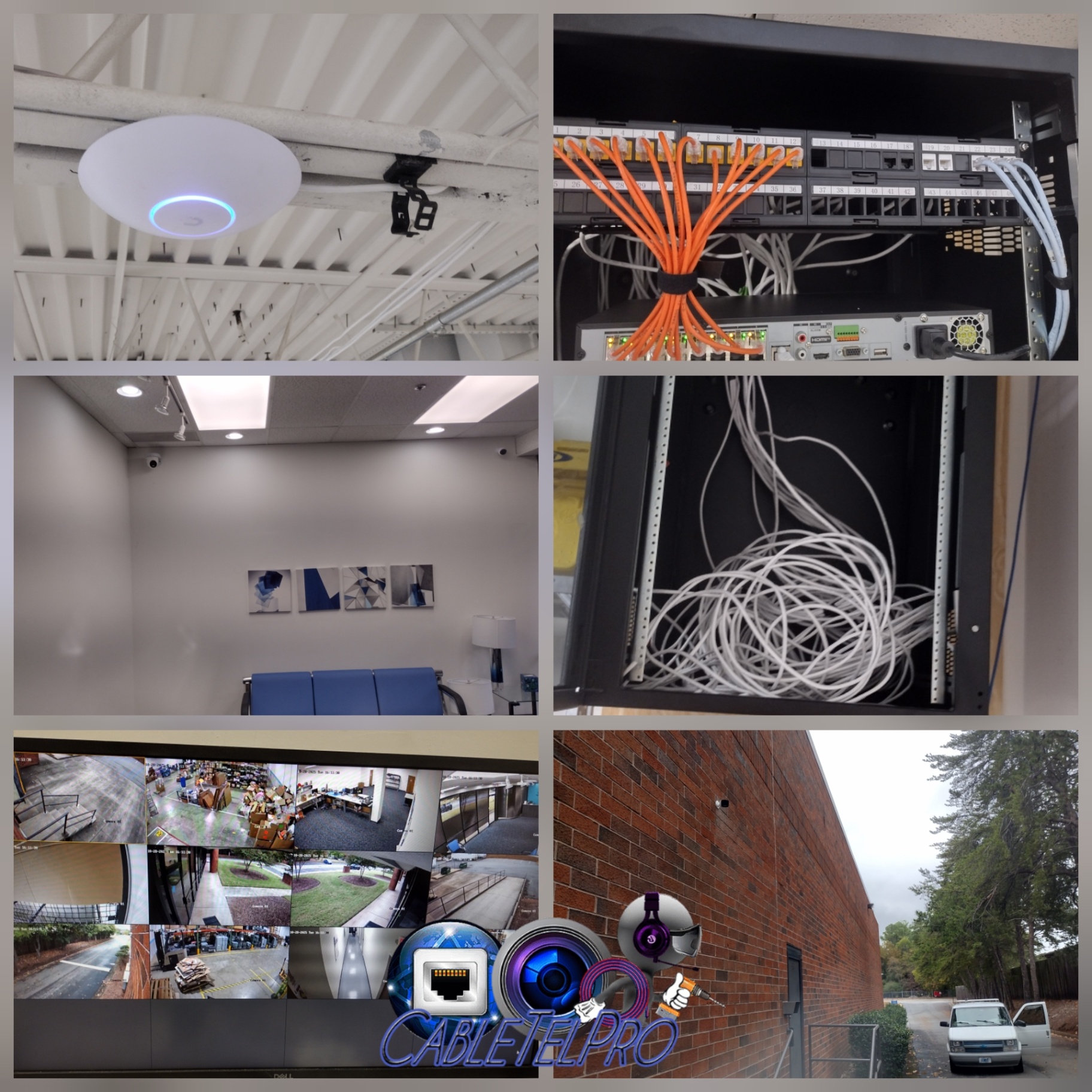
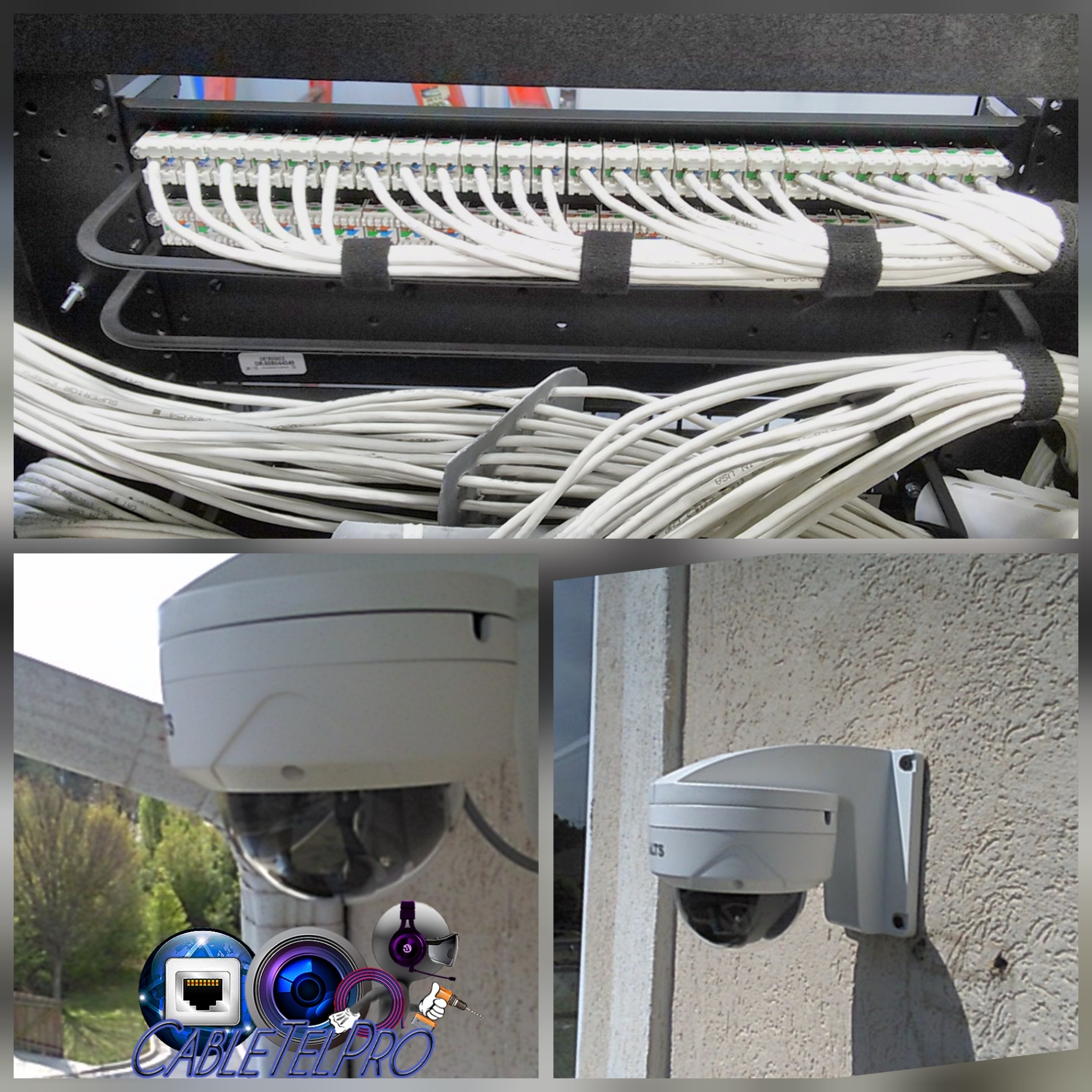
Clean, properly installed network infrastructure forms the foundation of any security upgrade. Poor cabling creates vulnerabilities that sophisticated attackers can exploit.
The Implementation Timeline: Why Starting Now Is Critical
Here's the reality of security infrastructure upgrades: they take time to implement properly. A comprehensive security overhaul typically requires:
- Initial assessment and planning: 2-4 weeks
- Equipment procurement and scheduling: 3-6 weeks
- Installation and configuration: 2-8 weeks depending on complexity
- Employee training and system testing: 2-4 weeks
- Fine-tuning and optimization: Ongoing
Starting in December 2025 gives businesses barely enough time to complete basic upgrades before the January 1 deadline. Any delays: whether from equipment shortages, scheduling conflicts, or implementation complications: push completion past the compliance date.
Beyond Compliance: The Competitive Advantage of Early Action
Smart Atlanta business owners aren't just upgrading for compliance: they're gaining competitive advantages:
Enhanced Customer Trust
Businesses that can demonstrate robust security measures win more clients, especially in professional services where confidentiality is paramount.
Operational Efficiency
Modern security systems often improve operational efficiency through better network performance and reduced downtime from security incidents.
Insurance Benefits
Many insurance providers offer premium discounts for businesses with documented cybersecurity programs that exceed basic requirements.
Future-Proofing
Early adopters of comprehensive security measures are better positioned for future regulatory changes and emerging threats.
The Cost of Action vs. Inaction
While security upgrades require upfront investment, the math is straightforward when compared to breach costs:
- Average security upgrade cost: $15,000-$50,000 for comprehensive small business systems
- Average data breach cost: $3.31 million
- Regulatory fines: Potentially hundreds of thousands for CCPA violations
- Business disruption costs: Often exceed $100,000 for multi-week outages
The return on investment is clear: proactive security upgrades cost a fraction of reactive breach response.
Your Next Steps: Don't Wait Until January
If you're an Atlanta business owner reading this in December 2025, you still have time: but the window is closing rapidly. Here's what you need to do immediately:
- Schedule a security assessment this week to identify your current vulnerabilities
- Prioritize upgrades based on regulatory requirements and your specific industry risks
- Begin implementation immediately rather than waiting for the "perfect" timing
- Plan for ongoing maintenance and updates beyond the initial installation
The businesses that act now will enter 2026 with confidence, knowing they're protected against evolving threats and compliant with new regulations. Those that wait will spend the new year dealing with the consequences of delay.
Your business, your employees, and your customers deserve better than crossed fingers and hope. The time for security upgrades isn't coming: it's here.
For tailored advice and a security system designed specifically for your Atlanta business needs, see what CableTel Pro can do for you. Don't let 2026 catch you unprepared.
Sources:
- Tech Upgrades Atlanta Small Businesses Need Before 2026 – Business Technology Analysis
- California Consumer Privacy Act Regulations – Official CCPA Documentation, January 1, 2026 Effective Date
- IBM Cost of a Data Breach Report 2024