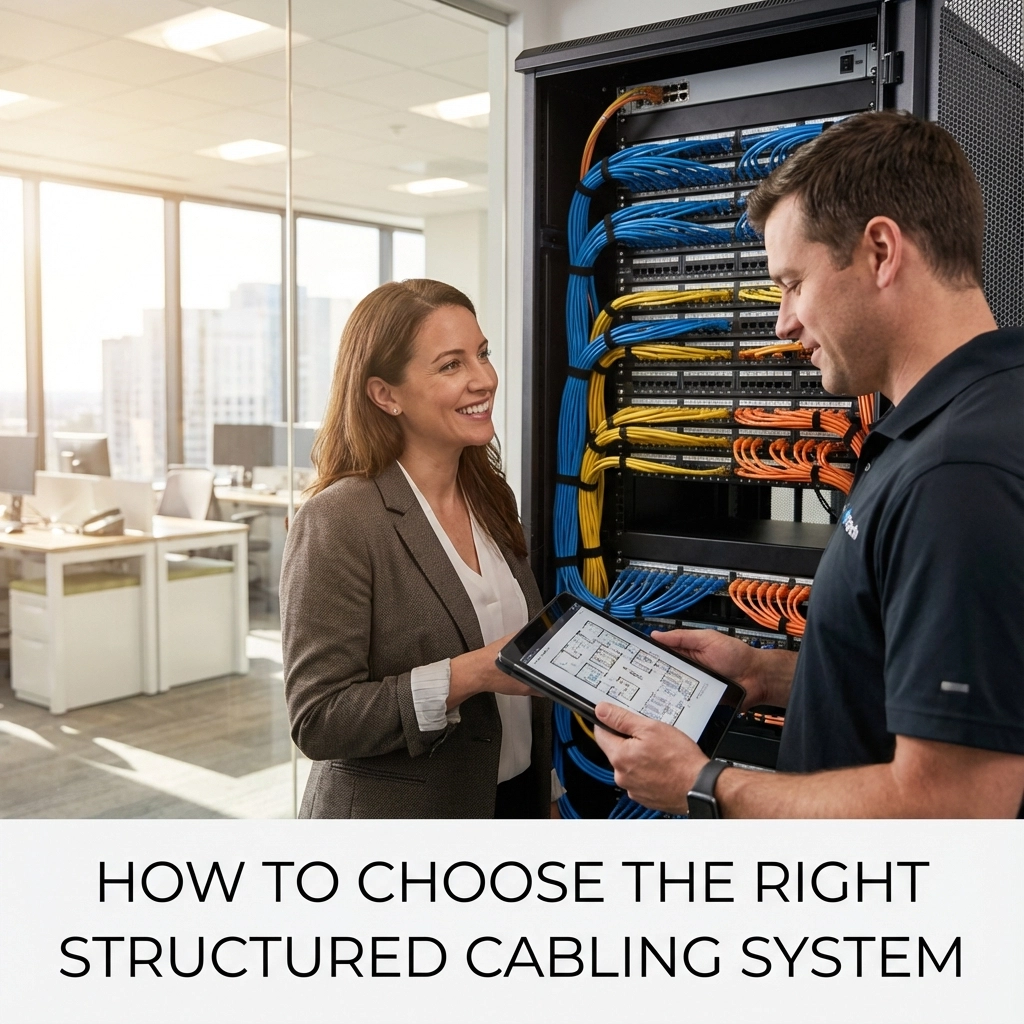
Choosing the right structured cabling system for your office building doesn't have to feel overwhelming. With the right approach, you can create a foundation that supports your current needs while preparing for future growth.
Here's the thing: most businesses wait until they're experiencing network problems before addressing their cabling infrastructure. Don't be one of them.
What Exactly Is Structured Cabling?
Structured cabling is essentially the organized backbone that supports all your building's technology needs. Think of it as the nervous system of your office: connecting everything from computers and phones to security cameras and access control systems.
According to industry standards, a proper structured cabling system consists of six essential subsystems that work together seamlessly.
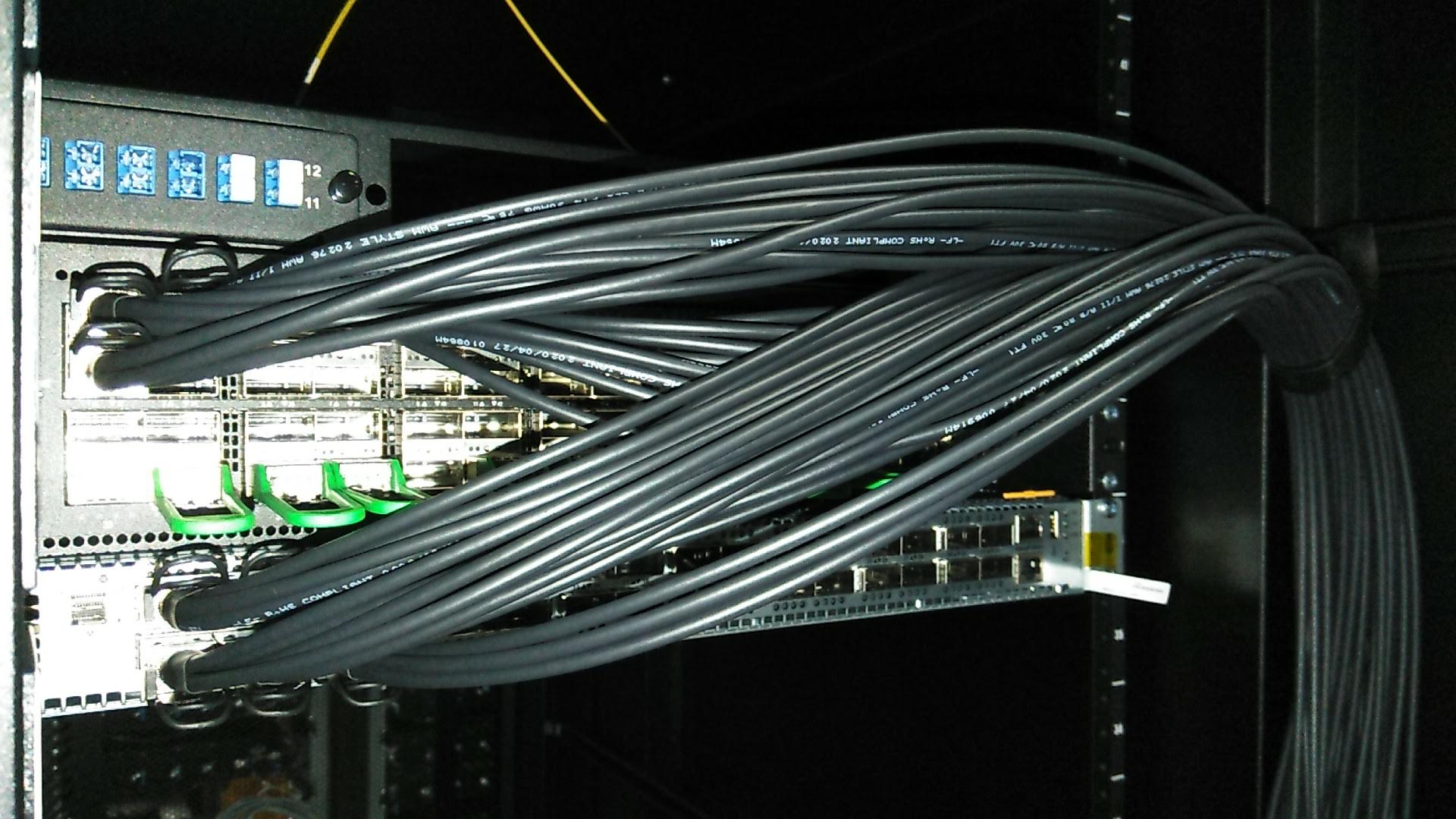 Professional structured cabling installation showing organized cable management for reliable connectivity
The 6 Critical Components You Need to Understand
Every structured cabling system includes these fundamental elements:
- Entrance Facilities – Where external telecommunications services connect to your building
- Equipment Rooms – Housing your main network equipment and cross-connects
- Backbone Cabling – The vertical pathways connecting different floors and buildings
- Telecommunications Rooms – Distribution points on each floor
- Horizontal Cabling – Cables running from telecom rooms to individual workstations
- Work Areas – The end-user connection points at desks and devices
Understanding these components helps you evaluate proposals and ensure nothing gets overlooked.
How Do You Determine Your Specific Requirements?
Start by asking yourself these key questions:
Current Capacity Needs:
- How many employees do you have right now?
- What devices need network connections?
- Are you running VoIP phones, security systems, or specialized equipment?
Growth Projections:
- Do you plan to expand your workforce in the next 5-10 years?
- Might you add more floors or locations?
- What new technologies might you adopt?
Performance Requirements:
- Do you handle large file transfers or video conferencing regularly?
- Are there any latency-sensitive applications?
- What internet speeds do you currently use?
The ANSI/TIA-568 standard provides specifications for both residential and commercial building cable distribution systems, giving you a framework to evaluate your needs against industry best practices.
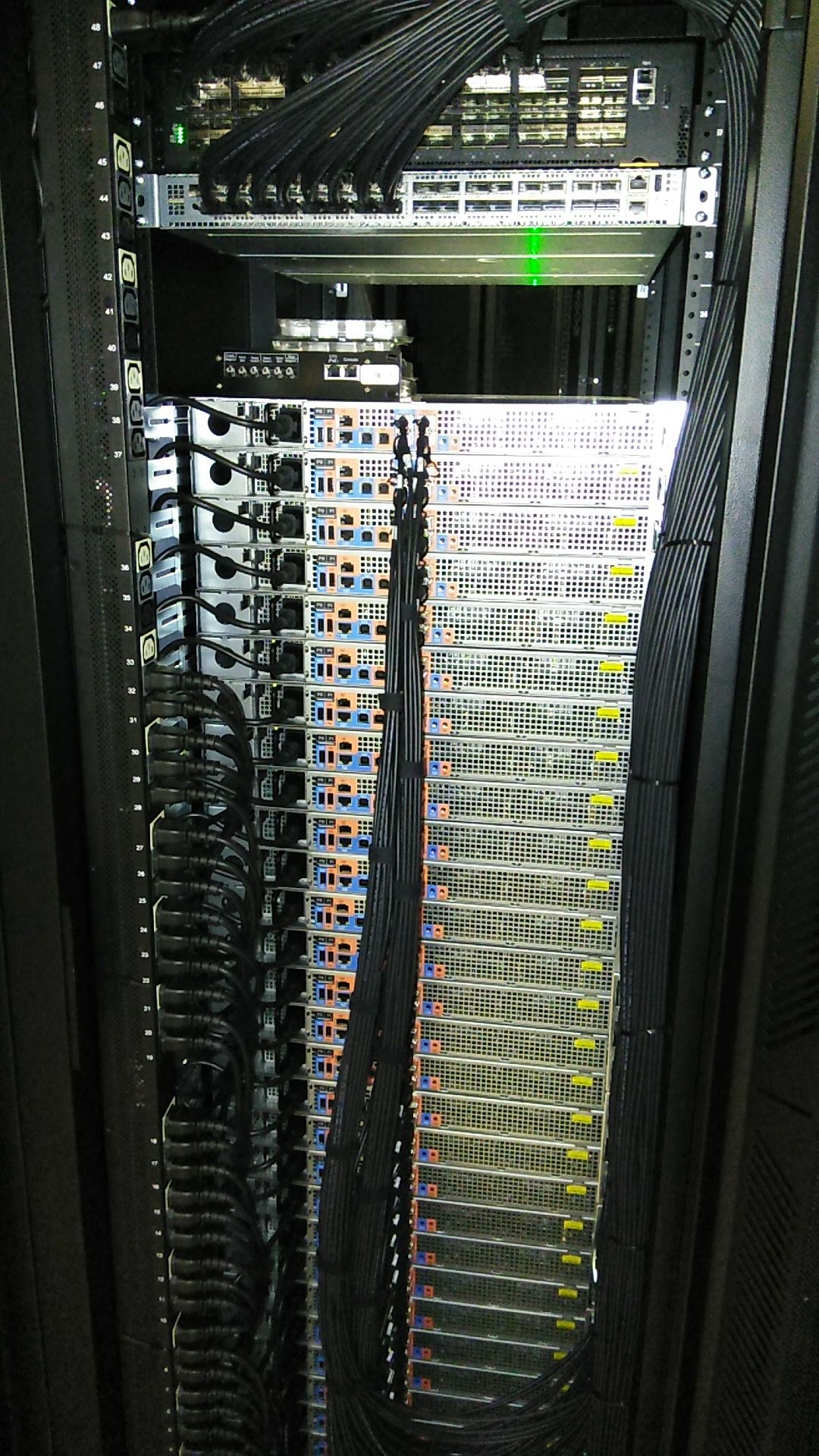 Properly organized server rack demonstrating professional cable management standards
Which Standards Should Guide Your Decision?
You can't choose the right system without understanding the standards that govern structured cabling. Different organizations establish guidelines depending on your location and industry:
- ANSI/TIA-568 – Primary U.S. standard for telecommunications cabling
- ISO/IEC – International standards for commercial offices and data centers
- CENELEC – European standards for structured cabling systems
These standards ensure your system will be compatible with future equipment and technologies. More importantly, they help contractors design systems that actually work reliably.
What Are the Most Important Planning Considerations?
Distance Limitations Matter: All copper outlets should be positioned within 90 meters of your telecommunications closet. This isn't just a suggestion: it's a hard requirement for maintaining signal quality.
Plan for Universal Coverage: Install information outlets in every possible room, including spaces that might become offices later. Retrofitting cabling is exponentially more expensive than planning ahead.
Size Your Infrastructure Rooms Properly: Your IT rooms need adequate space for equipment growth. Include provisions for security, proper lighting, and HVAC systems from day one.
Design Your Backbone for Growth: The backbone cabling between telecom rooms should be properly dimensioned to accommodate expansion. Fiber optic backbone cabling is recommended for supporting high-speed future applications and long-distance links.
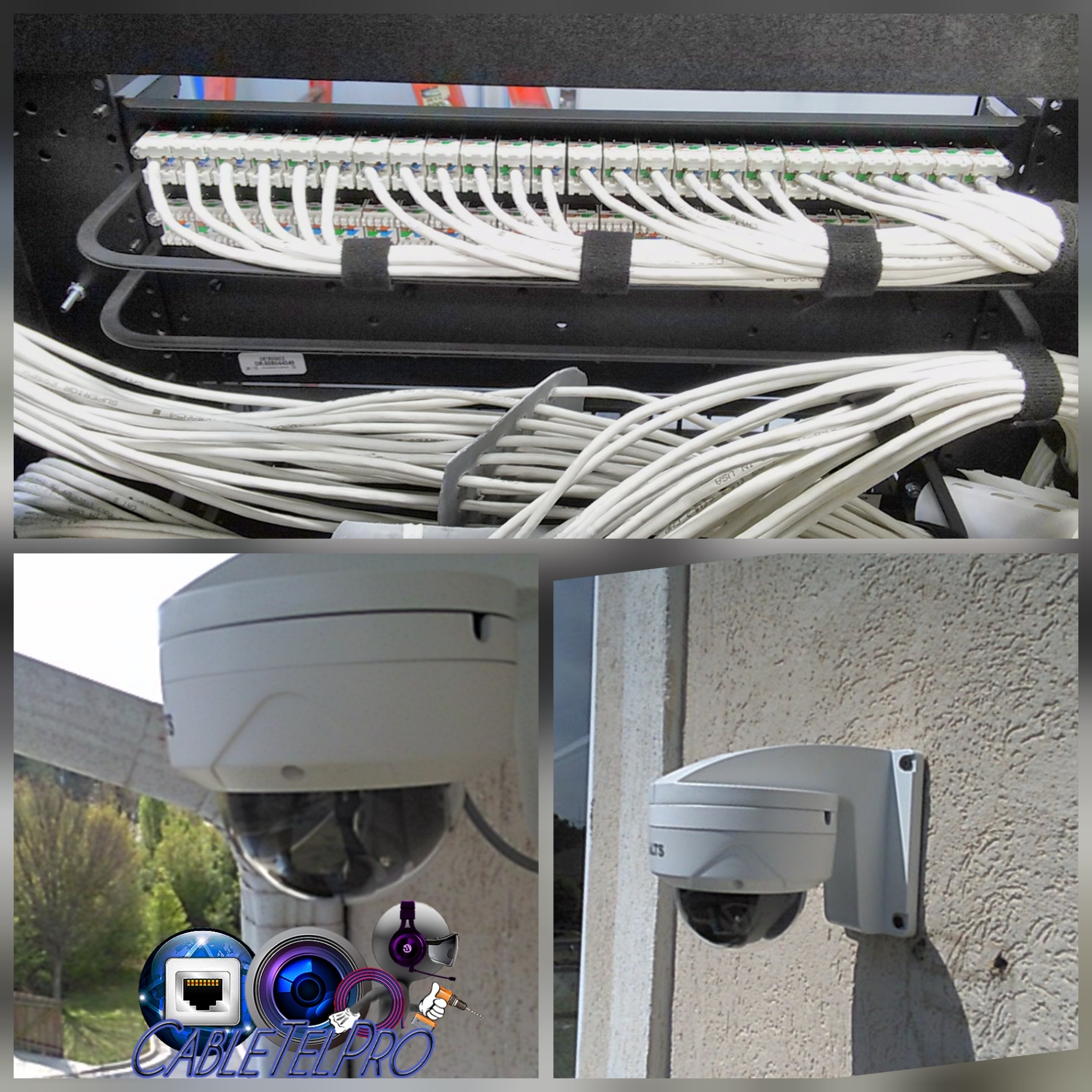 Professional patch panel installation with organized network cables supporting security systems
When Is the Best Time to Install Your System?
Timing makes a massive difference in both cost and complexity:
During Construction or Major Renovation:
- Easier access to walls, ceilings, and infrastructure spaces
- Lower labor costs
- Better integration with other building systems
- Cleaner final appearance
Retrofit Projects:
- More challenging cable routing
- Potential disruption to daily operations
- Higher installation costs
- May require creative solutions for cable management
If you're planning any significant building changes, that's your window for implementing structured cabling efficiently.
What Installation Challenges Should You Expect?
Every office building presents unique architectural considerations:
Physical Obstacles:
- Routing cables through existing ceilings and walls
- Working around HVAC systems and other utilities
- Managing cable runs in buildings without adequate pathways
Aesthetic Requirements:
- Concealing cables while maintaining professional appearance
- Matching existing décor and finishes
- Minimizing visible infrastructure in public areas
Operational Considerations:
- Installing during off-hours to minimize disruption
- Coordinating with other trades and contractors
- Managing dust and debris during installation
Solutions like raised access floors can simplify cable management, but they're not feasible in every situation.
How Do You Avoid Costly Mistakes?
Don't Skimp on Documentation: Insist on proper labeling and documentation of every cable run. This saves thousands in troubleshooting costs later.
Plan for More Than You Need: Install 20-30% more outlets than your current requirements suggest. Adding capacity later is much more expensive.
Choose Quality Components: Cheap cables and connectors cause performance problems and early failures. Stick with recognized brands and certified installers.
Test Everything: Demand certification testing for all cable runs. This ensures your system meets performance standards and helps identify issues before they cause problems.
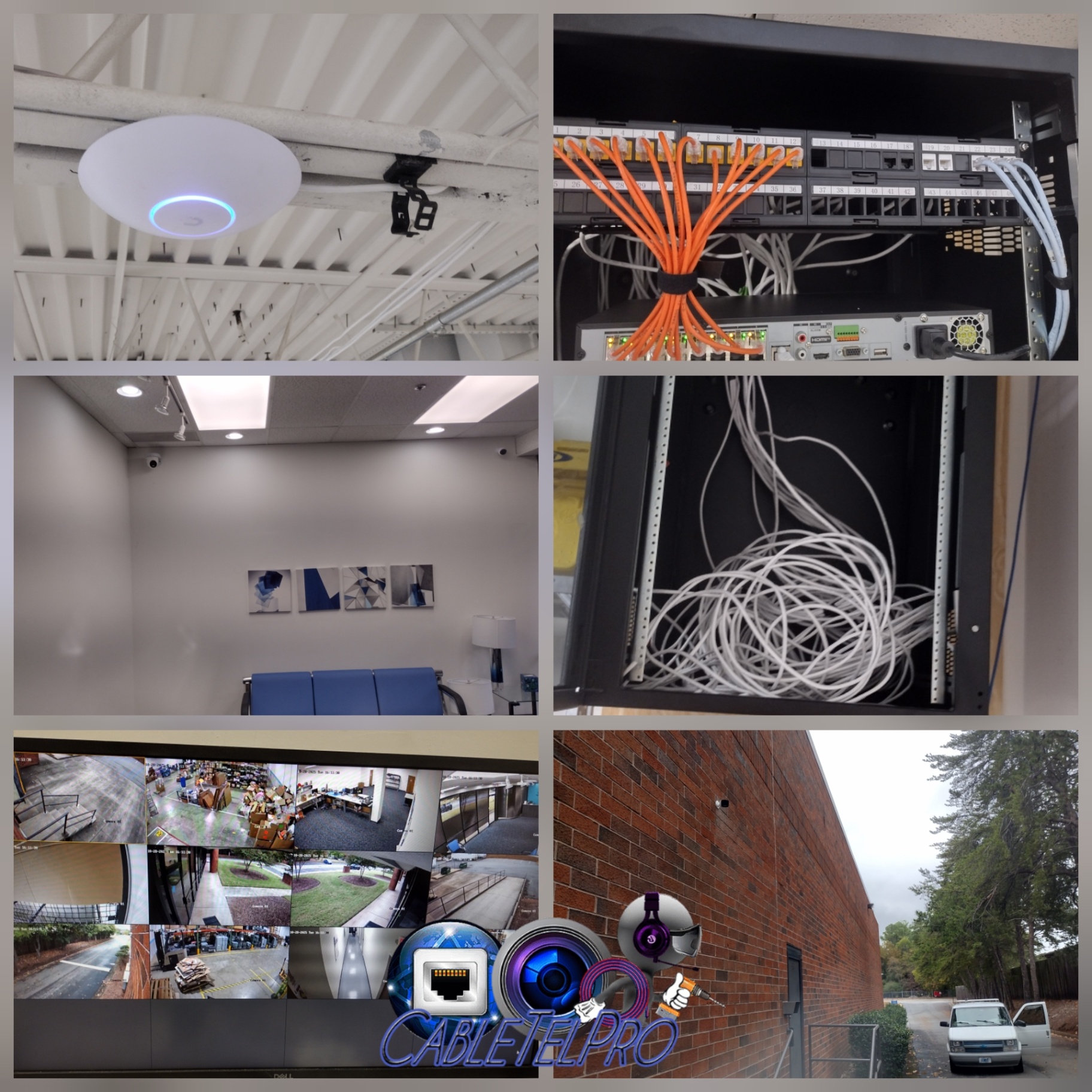 Comprehensive security and network installation showing professional system integration
What About Future Technology Compatibility?
The best structured cabling systems are designed with flexibility in mind. Technologies change rapidly, but a well-planned infrastructure can support new equipment for decades.
Consider These Future-Proofing Strategies:
- Install higher-category cables than currently needed
- Include fiber optic runs to support ultra-high-speed applications
- Design pathways that can accommodate additional cables
- Plan for power requirements of future network equipment
How Do You Choose the Right Contractor?
Not all cabling installers are created equal. Look for:
- Proper Licensing and Insurance
- Experience with Commercial Projects
- Manufacturer Certifications
- References from Similar Buildings
- Detailed Proposals with Specifications
- Warranties on Both Materials and Labor
A qualified contractor will ask detailed questions about your needs and provide a comprehensive plan, not just a price quote.
Ready to Get Your Structured Cabling Right?
Choosing the right structured cabling system requires balancing current needs with future growth, understanding industry standards, and working with experienced professionals who can navigate the unique challenges of your building.
The investment you make in proper structured cabling today will pay dividends for years to come through reliable performance, easier troubleshooting, and seamless technology upgrades.
If you're ready to explore structured cabling options for your office building, CableTel Pro can help you design a system that meets your specific requirements and budget. Our team understands the complexities of commercial installations and can guide you through every step of the process: from initial assessment to final testing and documentation.
Contact us today to schedule a consultation and discover how the right structured cabling system can support your business goals for years to come.