
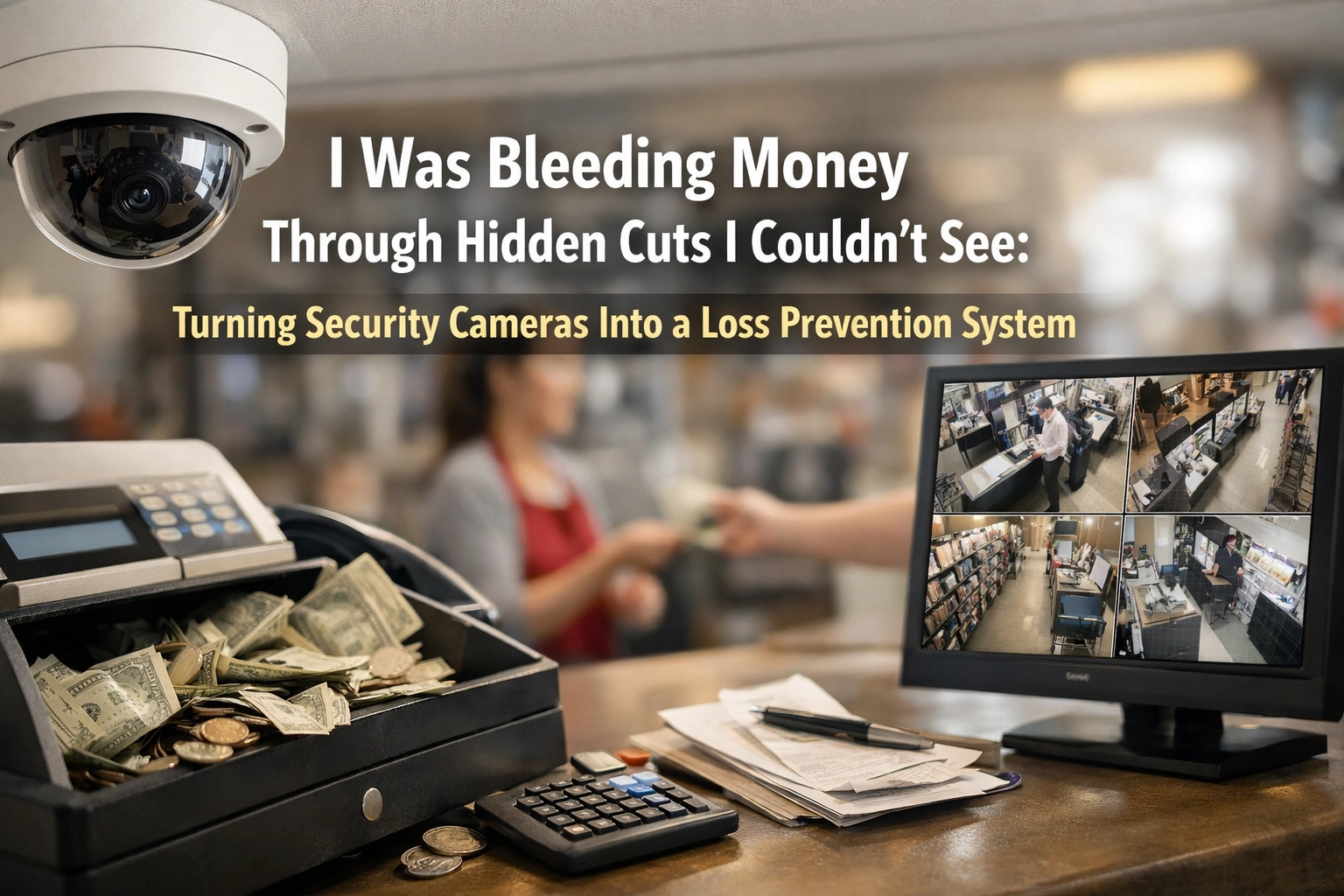
The Cost You Don't See on Any Report
Most losses don't show up as a single incident.
They show up as margin erosion, inventory variance, disputed deliveries, and unexplained shrink that makes your quarterly reports look worse every time you review them.
You sense it before you can prove it.
Something's off. The numbers don't match. But there's no smoking gun, no clear moment when everything went wrong.
Here's the thing: the danger isn't theft alone. It's delayed visibility.
Loss compounds quietly when no one is watching in real time. And by the time you discover what happened, the damage is already done.
What Are 5 Methods of Loss Prevention?
Many owners think loss prevention equals cameras.
Install a few dome cameras, put up some warning signs, and call it a day.
But cameras are only one input in a broader system. Without process alignment, footage becomes passive storage, something you only review after you've already lost money.
Here's how to treat loss prevention as a system, not just a device:
Visibility – Clear, continuous footage that actually shows what happened, not grainy clips that leave you guessing
Accountability – Defined review responsibility so someone is actually watching and following up
Access control – Who can enter your property, when they can enter, and how their access is logged
Documentation – Footage tied to incidents with timestamps, searchable records, and exportable evidence
Review cadence – Routine checks built into operations, not reactive searches after losses are discovered
Modern AI-powered video analytics take this even further by identifying suspicious activities in real time, like loitering in high-value areas or concealment attempts, without requiring manual review.[2]
Key insight: Cameras don't prevent loss. Reviewed footage does.
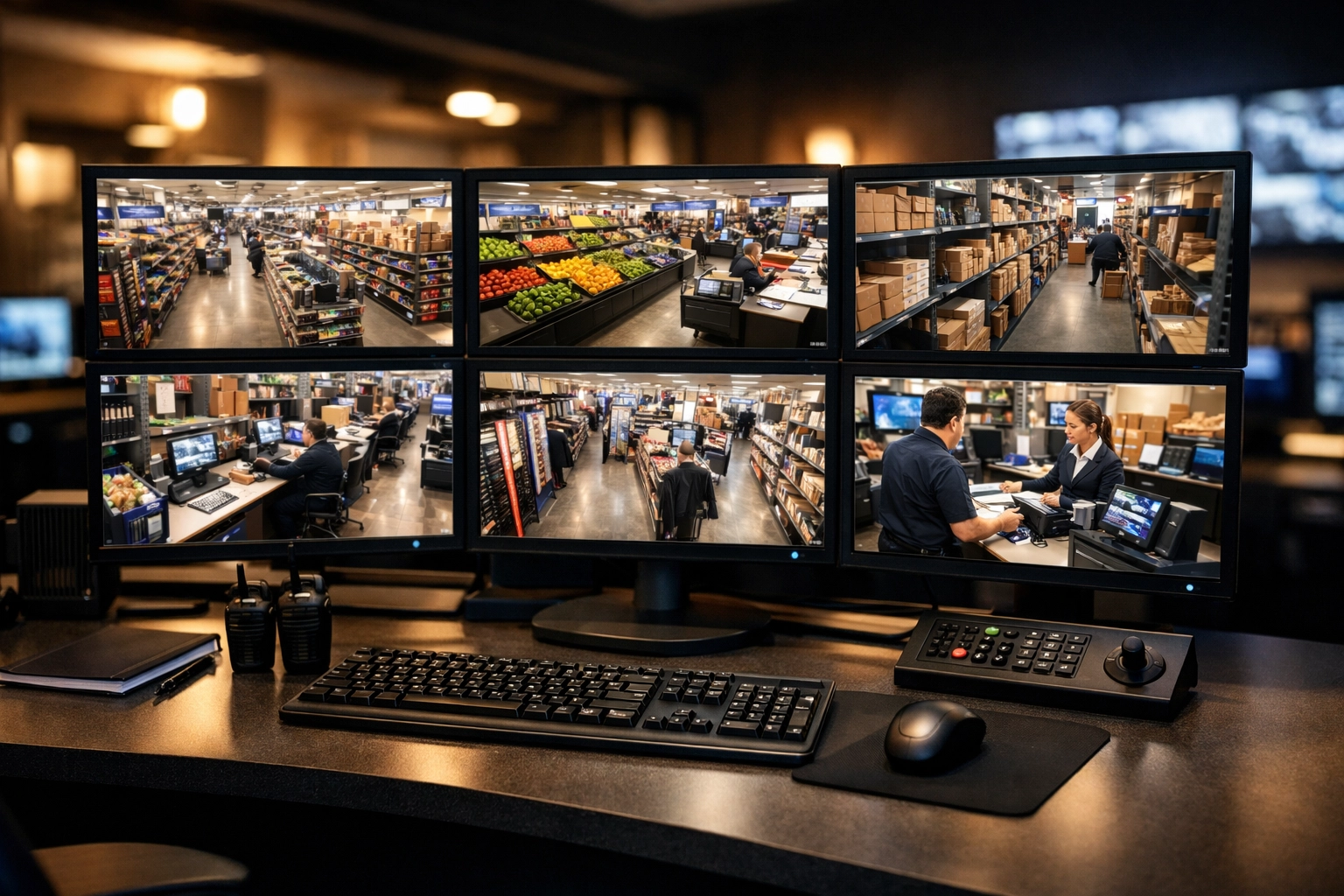
Does Loss Prevention Actually Check Cameras?
Here's what's really happening in most businesses.
Cameras get installed. Everyone feels safer. Life goes on.
But no one regularly checks them.
Footage is only reviewed after a loss is discovered, usually days or weeks later through inventory variance or customer complaints.
By then, it's too late to prevent patterns or intervene early.
How to make camera review operational instead of reactive:
Assign ownership – One person or role is responsible for camera review, not "whoever has time"
Build review into daily operations:
- Opening and closing checks
- Random spot reviews during shifts
- After-hours access verification
Make footage actually usable:
- Correct angles that show faces and actions, not just the tops of heads
- Proper retention periods (30-90 days minimum)
- Easy export and playback without needing IT support every time
POS integration can overlay receipt data directly onto video footage, so when an item leaves the shelf but never gets scanned, the system flags it immediately instead of waiting for quarterly inventory counts.[2]
The reality: Unchecked cameras create the illusion of control, not actual control.
What Is the Most Effective Deterrent to Shoplifting?
Signs, mirrors, and warnings rely on fear.
Fear works inconsistently.
Certainty works consistently.
People change behavior when they believe their actions are provable, not just observed.
Shift from visible deterrence to operational certainty:
Cameras placed where actions are clearly identifiable – Not just "we have cameras," but "we can identify you and follow your movements"
Coverage that connects entry, action, and exit – No blind transitions where someone can argue they were misidentified
Systems that support follow-up, not confrontation – Staff doesn't need to confront shoplifters in the moment; evidence does the work later
Train staff to rely on process, not instinct – "Let the system handle it" reduces confrontation and liability
Modern entrance/exit monitoring can detect suspicious behavior automatically and even trigger sound or light deterrents without human intervention.[3]
The goal isn't catching people. The goal is eliminating the opportunity to claim plausible deniability.
How Much Evidence Is Needed to Be Charged With Theft?
Many businesses have footage but can't actually use it.
Gaps in time, poor angles, or unclear faces turn incidents into write-offs because prosecutors or insurance companies won't accept incomplete evidence.
Audit your footage quality, not just camera count:
- Can you identify faces clearly?
- Can you follow movement start to finish with no gaps?
- Can footage be exported quickly in a usable format?
Ensure continuity:
- No blind transitions between camera zones
- No dropped frames during recording
- No overwritten gaps during high-risk periods
Cloud storage protects evidence from physical damage or theft, ensuring that even if someone destroys your local recorder, the footage is still accessible.[2]
Key insight: Evidence isn't about volume. It's about continuity and clarity.
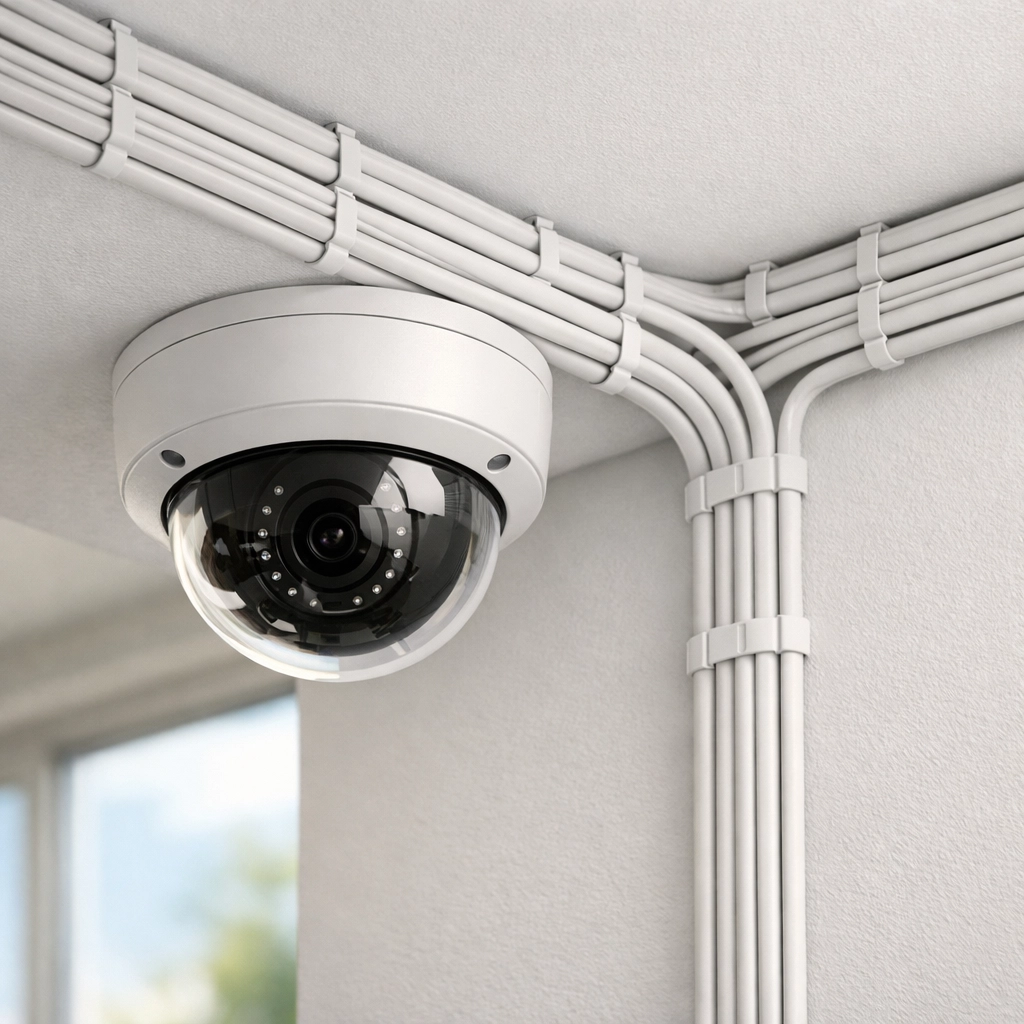
What Is the #1 Deterrent for Burglars?
Visible cameras deter some external threats.
But external threats aren't the only losses most owners face.
Internal shrink, after-hours access by employees or vendors, and process failures often drain more money than burglaries.
Balance visibility with proof:
External deterrence for outsiders – Visible cameras and lighting around perimeters
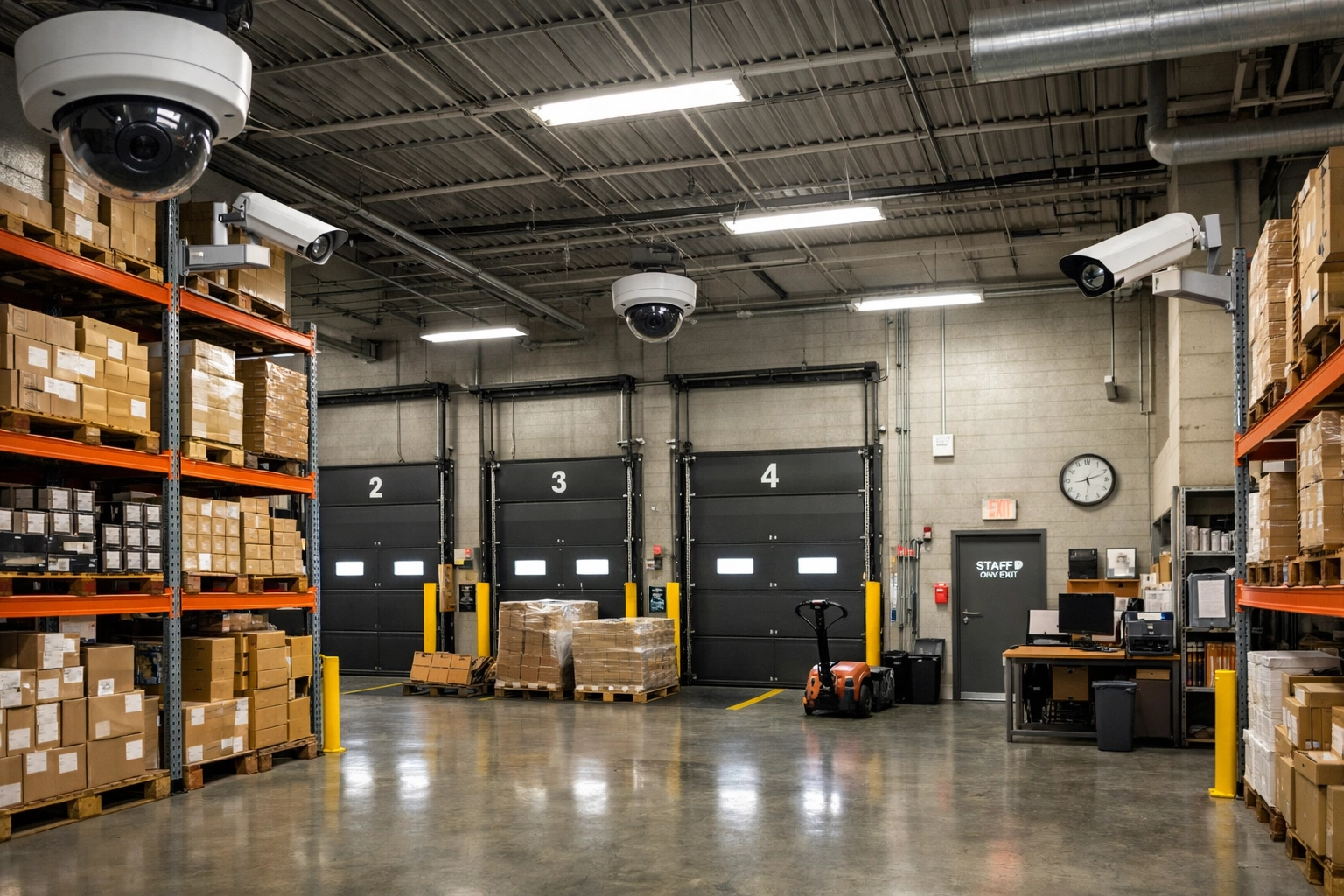
Internal accountability for staff and vendors – Less visible cameras in stockrooms, loading docks, and cash handling areas
Align cameras with access logs and schedules – When someone accesses a restricted area outside normal hours, your system should flag it
Review after-hours activity regularly – 24/7 night vision ensures you're protected when you're not physically there[2]
Motion detection focuses recording on actual events instead of storing days of empty footage, making review faster and more targeted.[2]
Reframe your thinking: Deterrence protects the perimeter. Systems protect the operation.
Supporting Signals Owners Notice Too Late
Do Stores Know If You Shoplifted?
Often discovered days or weeks later through inventory variance.
Loss feels vague and untraceable because there's no clear moment when it happened.
Action tip: Align footage review with inventory cycles so you can identify patterns before shrink shows up in reports.
How Many People Don't Scan Everything at Self-Checkout?
Small behaviors scale into big losses.
Self-checkout monitoring identifies scanning mistakes and helps prevent intentional bypass attempts: catching problems in real time instead of during quarterly audits.[3]
Action tip: Position cameras to verify process compliance, not just presence.
Key insight: Loss is rarely dramatic. It's repetitive and quiet.
Turn Cameras Into a Loss Prevention System
Cameras should reduce investigation time, support operational decisions, and eliminate "I think" conversations.
The goal isn't catching people. The goal is closing invisible leaks.
What a real loss-prevention system looks like:
- Unified platforms that integrate cameras, access control, and alarm systems into a single dashboard[2]
- Cellular failover so cameras keep recording even if your primary internet connection fails[1]
- Tamper detection that alerts you immediately if someone disables or repositions a camera[2]
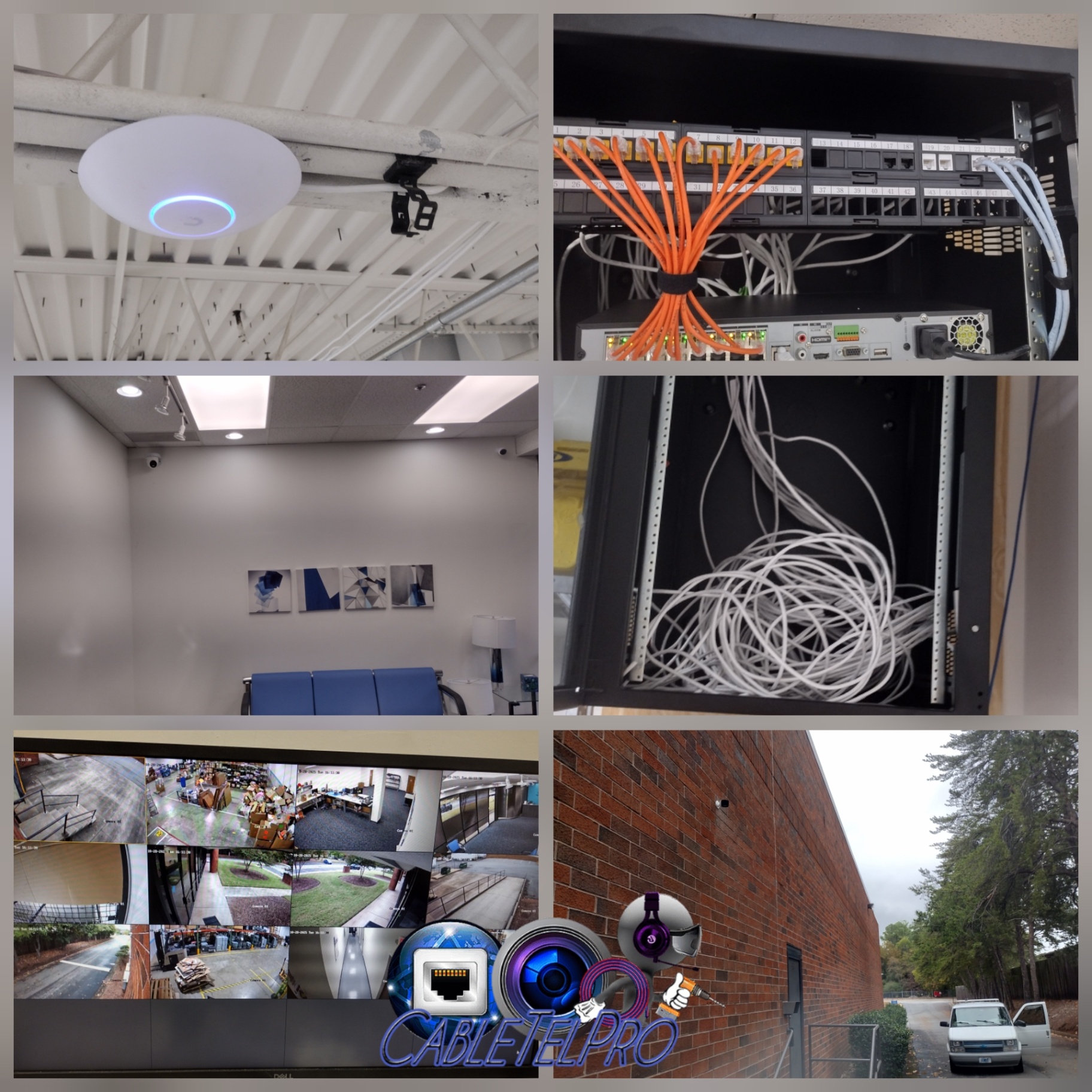
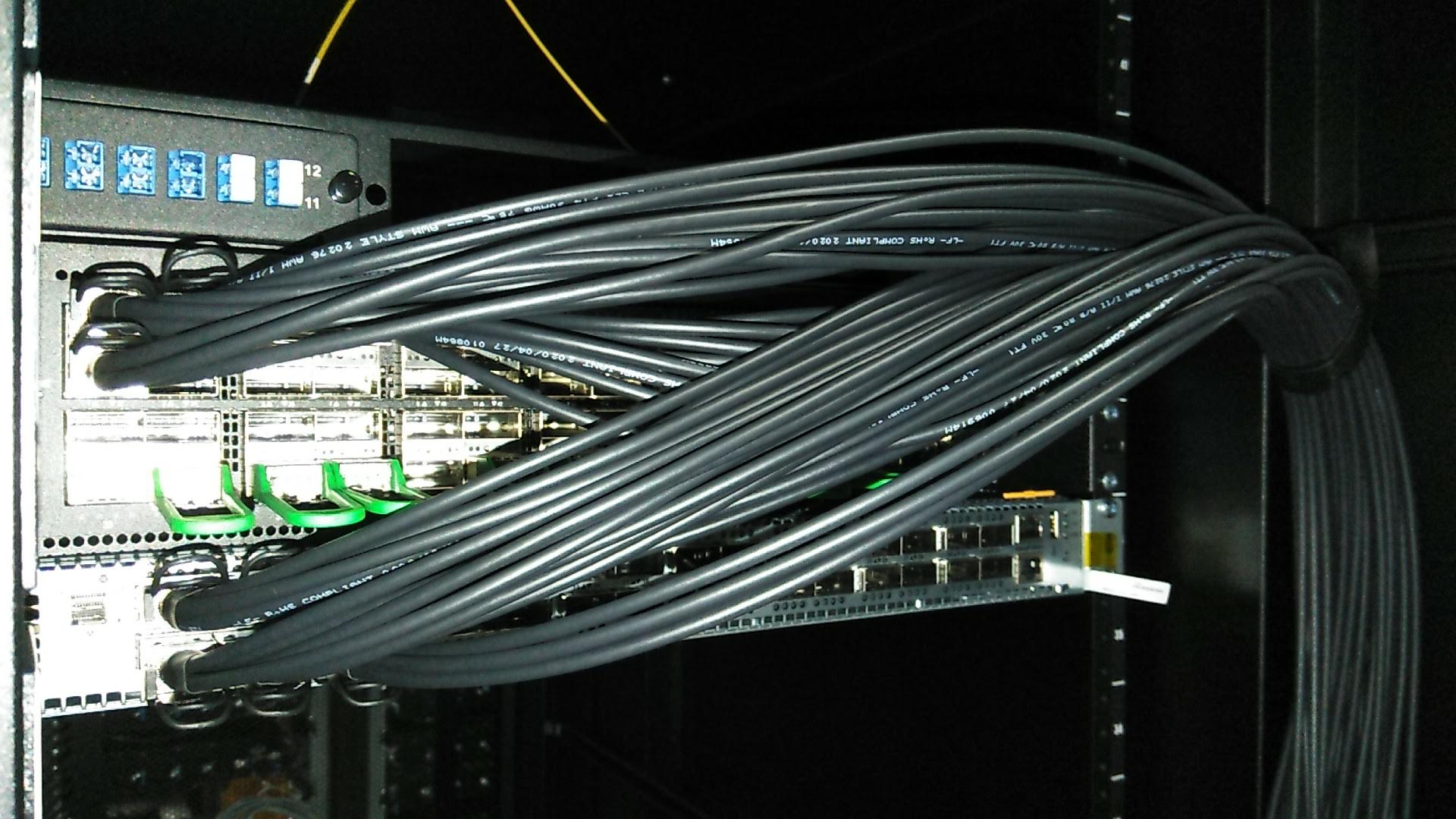
- Clean, professional installations with structured cabling that won't fail when you need it most
CableTel Pro specializes in clean installs with no hidden monthly fees: just reliable systems designed to work when it matters. Learn more about our professional security camera installation and structured cabling services.
Where Visibility Breaks Down
When losses are invisible, stress stays high because you're always guessing.
A proper evaluation isn't about accusing anyone or replacing all your equipment.
It's about understanding where visibility breaks down and tightening the system so small losses don't keep compounding.
Once you can see clearly, decisions get easier and the numbers start making sense again.
Ready to stop bleeding money through hidden cuts?
A one-hour site assessment can identify blind spots, coverage gaps, and process weaknesses that turn passive cameras into active loss prevention. No pressure, no upsell: just clarity on what's working and what's not.
Because you can't fix what you can't see.
Sources:
[1] AI-powered loss prevention systems with cellular failover capabilities
[2] Unified security platforms with POS integration, cloud storage, and behavior analysis
[3] Modern retail loss prevention with self-checkout monitoring and entrance/exit detection
[4] Employee fraud detection and restricted area monitoring systems